

Ovarian cancer treatment and diagnosis

Ovarian Cancer

We specialize in the latest technologies to treat ovarian cancer that are proven to be effective. Our expert teams of world-renowned doctors will work together to ensure that you receive the best possible care from diagnosis through to treatment and survivorship.

We offer treatments that can effectively improve your ovarian cancer prognosis, manage the disease and help minimize any discomfort and pain. Our team will work with you to decide on the most appropriate treatment plan that will be tailored to you and your needs.

Image
image alt

Chapter 1

Diagnostics

Ovarian cancer is often diagnosed with imaging scans, such as ultrasound and CT, and pathology tests such as blood tests and biopsy, although your doctor may use other tests to identify the problem. You may also have other advanced tests to find out more about your cancer, where it’s located and which treatments are likely to be most effective. Some of these tests are also used to assess how well your treatment is working.

Find your nearest SunState Medical Specialists center to find out what diagnostic tests and scans are available in your local area. Whatever your outcome, our expert team will support you throughout your treatment journey.
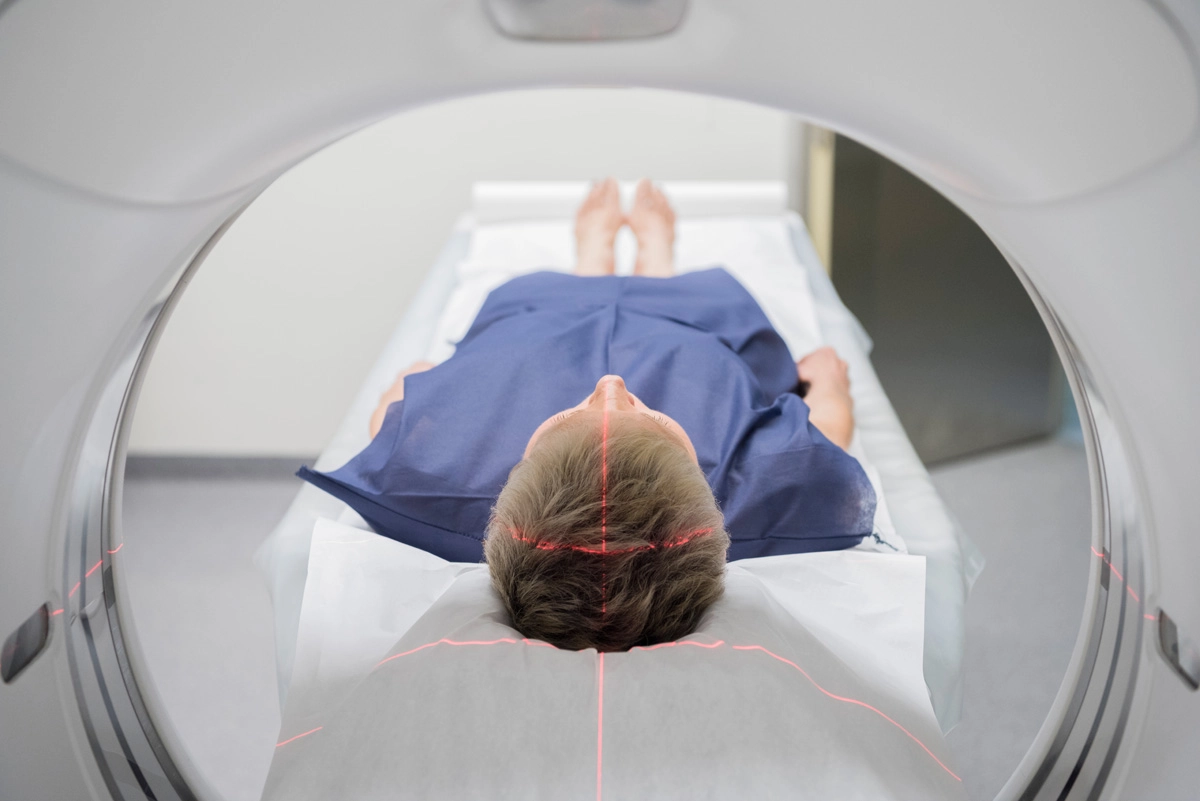
Person lying in a CT scanner in hospital. PET scan equipment. Medical scan of patient.

Chapter 2

Surgery

We work with expert teams of surgeons who are specially trained in surgical removal of tumors in the ovaries. Surgery is the main treatment for many ovarian cancers and there are different procedures available. Your surgeon will recommend the most appropriate one for you depending on how far your cancer has spread and whether you wish to have children in the future.

Unilateral oophorectomy

Your surgeon may recommend removing the affected ovary if your cancer is in a very early stage and has not spread. Unilateral oophorectomy can also be combined with surgery to remove the nearby fallopian tube in a procedure called unilateral salpingo-oophorectomy. If you’re of child-bearing age, these procedures may preserve your ability to have children.

Bilateral oophorectomy

If the ovarian cancer is found in both ovaries but has not spread to the uterus, the ovaries can be removed during a bilateral oophorectomy. Both fallopian tubes may also be resected. If you haven’t undergone menopause, the removal of both ovaries will cause you to experience premature menopause as your body will not produce estrogen and progesterone. You’ll also not able to produce any eggs, but as procedure does not damage the uterus, you may still be able to become pregnant using frozen or donor eggs.

Hysterectomy

The most common surgery for ovarian cancer is hysterectomy and it’s usually used for more advanced cancers that have spread to the uterus, or if you don’t want to become pregnant in the future. During this procedure, your surgeon will remove the ovaries, fallopian tubes and uterus. They may also remove nearby lymph nodes and fatty abdominal tissue called the omentum.

Image
Mature and vibrant Hawaiian woman stands by her window in the early morning and contemplates the mysteries of the universe.

Chapter 3

Radiation therapy

At SunState Medical Specialists we offer fast access to the latest technologies and treatments that have been proven to make a difference. These include:

External beam radiation therapy (ERBT)

External beam radiation therapy (ERBT) delivers high-powered X-rays from outside the body, precisely targeting and shrinking or destroying tumors. Radiation therapy may be recommended after surgery to destroy any remaining cancer cells and to help prevent a recurrence or slow the growth of the disease.

Intensity-modulated radiation therapy (IMRT)

IMRT is an advanced external beam radiation therapy technique where the beams of radiation are precisely shaped to exactly match your tumor and damage to adjacent healthy tissues is limited.

Chapter 4

Medical oncology

At SunState Medical Specialists, we offer various drug therapies and a wide range of the latest anti-cancer drugs for ovarian cancer treatment, including hormone therapy, chemotherapy and targeted therapy.

Hormone therapy

Many ovarian tumors need the hormone estrogen to grow. Hormone therapy for ovarian cancer works by blocking estrogen from binding to the cancer cells, or preventing your body from producing estrogen, which slows down their growth. Common types of hormone therapy for ovarian cancers are:

  • LHRH agonists – stop your ovaries from producing estrogen
  • Tamoxifen – stop estrogen from stimulating cancer growth
  • Aromatase inhibitors – blocks hormones from turning into estrogen in post-menopausal women

Chemotherapy for ovarian cancer

Chemotherapy refers to drugs that destroy cancer cells. Our expert teams may recommend chemotherapy before or after other treatments, or on its own. The type of chemotherapy you’ll receive will also depend on your how advanced your ovarian cancer is. If you have cancer that has spread to other parts of your body, chemotherapy can help control its growth, relieve symptoms and improve your ovarian cancer prognosis.

Targeted therapy for ovarian cancer

As researchers know more about ovarian cancer, they have developed new treatments that can specifically target it. We use targeted therapy to seek and attack cellular activity that the cancer depends on to survive and grow. They are used depending on the specific genetic make up of your cancer. Types of targeted therapy for ovarian cancer include:

  • PARP inhibitors – suitable for certain ovarian cancers, by blocking the DNA repair pathway in cancer cells often leading to cell death
  • Angiogenesis inhibitors – appropriate for some ovarian cancers, work by blocking the protein VEGF which promotes new blood vessel formation and helps tumors grow
  • NTRK inhibitors – a small number of ovarian cancers have changes in a gene called NTRK which can lead to abnormal cell growth and cancer. These drugs are used for advanced ovarian cancer to target proteins made by these genes

Chapter 5

Find a specialist in our network

Connect with a physician who specializes in your condition and can help guide your path to better health. SunState Medical Specialists physicians are based in Florida and currently accepting new patients. Find a physician near you and take the next step toward care.

Image
Physician consulting with patients

Why choose SunState Medical Specialists?

SunState Medical Specialists offers community-based cancer care and other services at convenient locations. The company’s purpose is to redefine the care experience by improving patient outcomes, access and care delivery. With advanced technology and innovative treatment options, skilled physicians and support staff offer comprehensive and coordinated care in radiation oncology, medical oncology, hematology, urology, diagnostics, ENT, and surgical oncology.

How can we help?

Our staff will provide answers to your questions within 24 hours. Otherwise, if you have a medical emergency please call 911.

*Indicates a required field

By submitting you are confirming that you have read the SunState Medical Specialists Website Terms of Use.
CAPTCHA
This question is for testing whether or not you are a human visitor and to prevent automated spam submissions.