


Radiation following surgery for keloid treatment
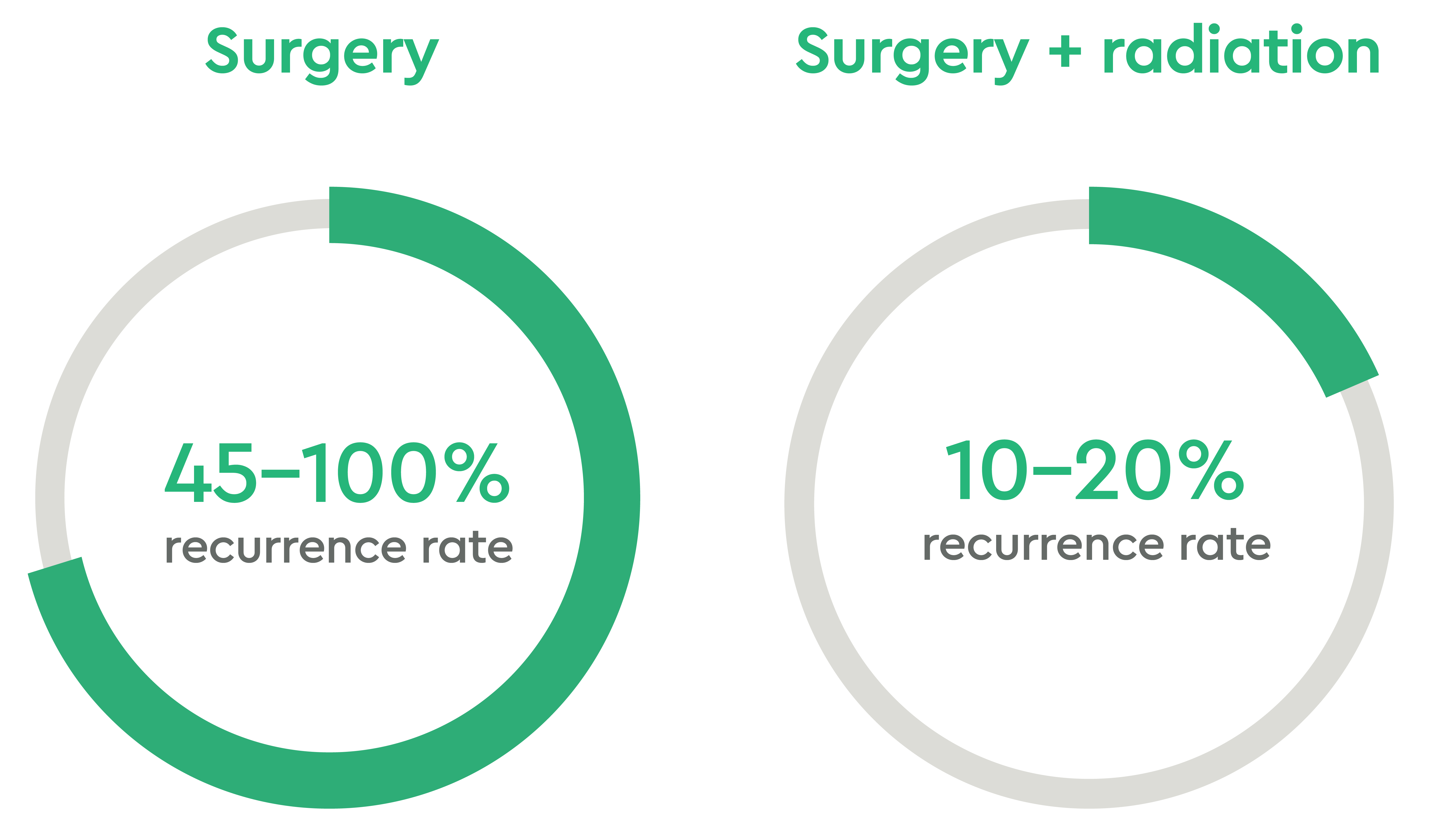
When surgery is performed alone for keloids, there is an average recurrence rate of 45 to 100%, but with radiation following surgery, the recurrence rate drops to 10-20%.2-4
Because keloids have such a high recurrence rate following surgery alone, it is recommended that radiation therapy should start within 24- to 72-hours after surgery. Additionally, when radiation is not after the first surgical removal, additional surgeries could be required.
Radiation therapy is a treatment using beams of radiation targeted at specific areas of the body to treat various cancerous and non-cancerous diseases. There are various kinds of radiation therapy, which are used to treat different conditions in different ways. Cancerous tumors are targeted and destroyed with powerful, high-energy radiation, whereas keloid scars are treated with lower doses of radiation that is directed towards the skin. Because of this lower dose, the risk of side effects is much less.
At SunState Medical Specialists, we use electron beam radiation therapy or superficial x-rays, which are both forms of radiation therapy that do not penetrate deeply into the body. With these radiation treatments, we can precisely treat the area where the keloid scar was removed, to a shallow depth, while sparing healthy tissue and organs.
We offer electron beam radiation therapy and/or superficial x-ray treatments at most of our locations across the nation. Visit our locations page to learn what centers offer radiation for keloids near you.
There may be minimal side effects associated with radiation therapy for the treatment of keloids. The most common side effects are modest redness of the skin, itching and dryness of the skin. Typically, these side effects resolve within a number of weeks after treatment. If surgery was done in a hair-bearing region, then hair-loss in that area may occur.
Your SunState Medical Specialists team will advise you on the best way to deal with and prevent side effects and will be available during and after your treatment should you have any questions.
Keloid treatment
Before treatment
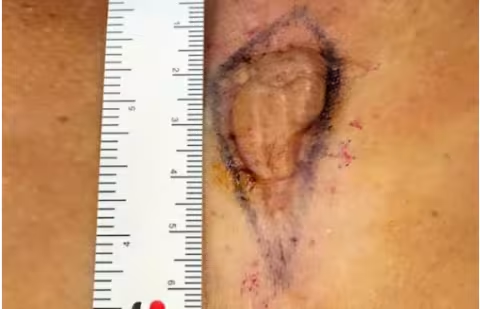
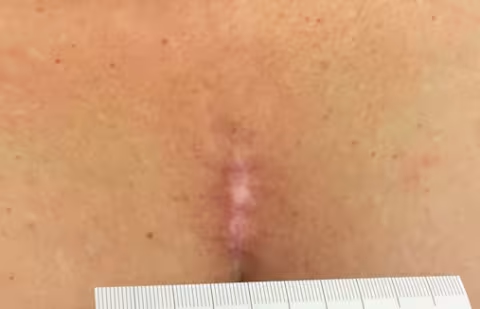
Keloid treatment
Before treatment
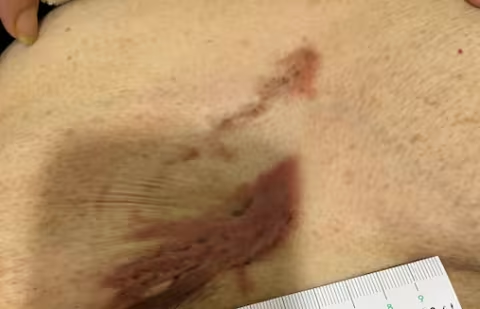
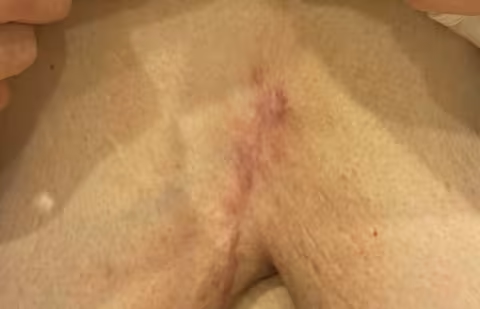
After surgery and radiation
References
- Juckett G, Hartman-Adams H. Management of Keloids and Hypertrophic Scars. In: American Family Physician, 2009; 80(3), 253-260.
- Zainib M, Amin NP. Radiation Therapy In The Treatment Of Keloids. [Updated 2021 Aug 6]. In: StatPearls [Internet]. Treasure Island (FL): StatPearls Publishing; 2022 Jan
- Lee, S. Y., & Park, J. (2015). Postoperative electron beam radiotherapy for keloids: treatment outcome and factors associated with occurrence and recurrence. Annals of dermatology, 27(1), 53–58.
- Ogawa R, Tosa M, Dohi T, Akaishi S, Kuribayashi S. Surgical excision and postoperative radiotherapy for keloids. Scars Burn Heal. 2019 Dec 10;5:2059513119891113. doi: 10.1177/2059513119891113. PMID: 31840001; PMCID: PMC6904783.