

Causes, diagnosis, treatments and prevention
Overactive Bladder
Overactive bladder – or OAB – causes you to need to urinate frequently, and to even have trouble controlling that urge. OAB can lead to embarrassment due to urinary incontinence (inability to hold urine). SunState Medical Specialists offers effective treatment options to help those with OAB find relief.

Chapter 1
What is overactive bladder?
OAB is the sudden, frequent need to urinate. According to the Urology Care Foundation, this condition affects about 33 million Americans.
Who is at risk for overactive bladder?
An overactive bladder can affect men and women at any age. You may be at an increased risk for developing OAB if you have any of the following risk factors like having certain health conditions, such as:
- Alzheimer’s disease
- Diabetes
- Enlarged prostate
- Having had a stroke
Chapter 2
What causes overactive bladder?
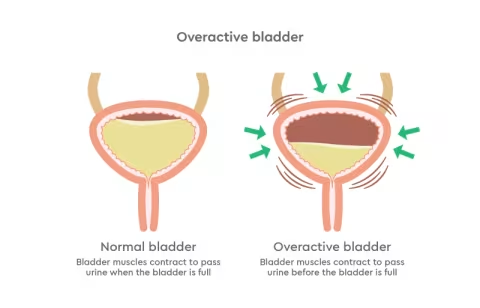
Overactive bladder occurs when the muscles in the bladder contract (squeeze) on their own when your bladder isn’t full. This contracture, in turn, tells your brain that you need to urinate, even when your bladder isn’t full.
The following health conditions can also have similar overactive bladder symptoms:
- Bladder cancer or benign (non-cancerous) tumor
- Bladder stones
- Chronic constipation
- Diabetes
- Enlarge prostate
- Multiple sclerosis (MS)
- Stroke
In addition, the following can cause similar symptoms in the bladder:
- Having a urinary tract infection (UTI)
- Having bladder stones
- Having previously undergone surgery to treat urinary incontinence
- Undergoing hormonal changes during menopause
Chapter 3
What are symptoms of overactive bladder?
The signs and symptoms of OAB can include:
- Being unable to control the urge to urinate
- Feeling the sudden need to urinate
- Needing to urinate more than eight times each day
- Waking up three or more times overnight to urinate
Chapter 4
How is overactive bladder diagnosed?
Your doctor will use one or more of the following tests to diagnose overactive bladder:
Urinalysis
In this test, your doctor sends a sample of your urine to the laboratory for close analysis. Lab technicians analyze your urine to check for signs of OAB.
Urodynamic testing
This goal of urodynamic testing is to determine how well your body stores and releases urine. Your doctor uses this information to determine if you have OAB.
Bladder diary
Your urologist may ask you to keep a log of how often you urinate each day and how often you leak urine. You will also track your fluid intake, fluid output in urine and how often you feel the urge to urinate. A bladder diary can help your doctor determine the best treatment plan for your specific case of OAB.
Ultrasound
This imaging test uses sound waves to create detailed images of the inside of your body. Your urologist uses these images to determine if you have OAB.
Computed tomography (CT) scan
This imaging test uses specialized X-ray to create detailed images of the inside of your body. Your urologist uses these images to determine if you have OAB.
Cystoscopy
During this test, your doctor uses a thin, flexible tube with a camera on the end (cystoscope) to look inside your bladder. Your doctor uses a specialized viewing monitor to see inside your bladder and determine if you have OAB or another health condition that’s causing your symptoms.
Chapter 5
How is overactive bladder treated?
Depending on the severity of your overactive bladder, your overall health and your personal preferences, your doctor may recommend one of the following treatment options for overactive bladder:
You should aim to limit your intake of or even completely avoid foods that can affect your bladder, which include:
- Alcohol
- Caffeine, including coffee and tea
- Chocolate
- Citrus fruit
- Soda and other carbonated drinks
- Spicy foods
- Tomatoes and tomato-based foods
You should try to increase your intake of these foods that can help digestion:
- Beans
- Fresh and dried fruit
- Oatmeal
- Vegetables
- Whole grains
Helping to keep your bowels moving to avoid constipation can also help reduce symptoms related to OAB. Try incorporating the digestion-friendly foods above to keep your bowels regular.
If you’re overweight or obese, your doctor will likely recommend that you lose weight. Being at a healthy weight can help reduce your symptoms related to OAB.
Smoking irritates the bladder and can make OAB symptoms worse. Work with your doctor for tips and programs on quitting smoking for good.
Setting a schedule to urinate – while building up to more time between toilet trips – can help your body better regulate your urge to urinate. You’ll start with delaying going to the toilet by 30 minutes, and eventually work up to three or four hours between toilet trips.
Your doctor may use nerve stimulation to help you measure and receive information about your body. Also called biofeedback, this treatment can help you better control the flow of urine and your urgency to urinate.
If you have severe urge urinary incontinence, your doctor may recommend trying Botox injections. This treatment can be effective but needs to be repeated over time, with effects lasting six months or more.
If other lifestyle modification treatments aren’t enough to manage your OAB, your doctor may recommend medication.
If you are a woman going through menopause and experiencing OAB, your doctor may recommend vaginal estrogen therapy. This involves applying a cream, tablet or ring directly to the vaginal area.
Other people with OAB may benefit from medications that help relax the bladder and relieve the feeling of needing to urinate so often.
Chapter 6
How to prevent overactive bladder?
Here are some tips to help reduce your risk of developing OAB:
- Maintain a healthy weight
- Eat a healthy diet
- Exercise regularly
- Strengthen pelvic floor muscle
- Manage chronic conditions
- Limit caffeine intake
- Limit carbonated beverages
- Limit alcohol and quit smoking
Chapter 7
Is it covered by insurance?
Diagnosis and treatment of overactive bladder should be covered by insurance plans. Contact your specific carrier to be sure you know what’s covered.
Chapter 8
Find a specialist in our network
Connect with a physician who specializes in your condition and can help guide your path to better health. Our physicians are based in Florida and currently accepting new patients. Find a physician near you and take the next step toward care.